

A Judge Who Said No
🎧 Listen to this chapter (2 min)
Welcome. In the year 766 of the Islamic calendar, something unusual happened in Cairo.
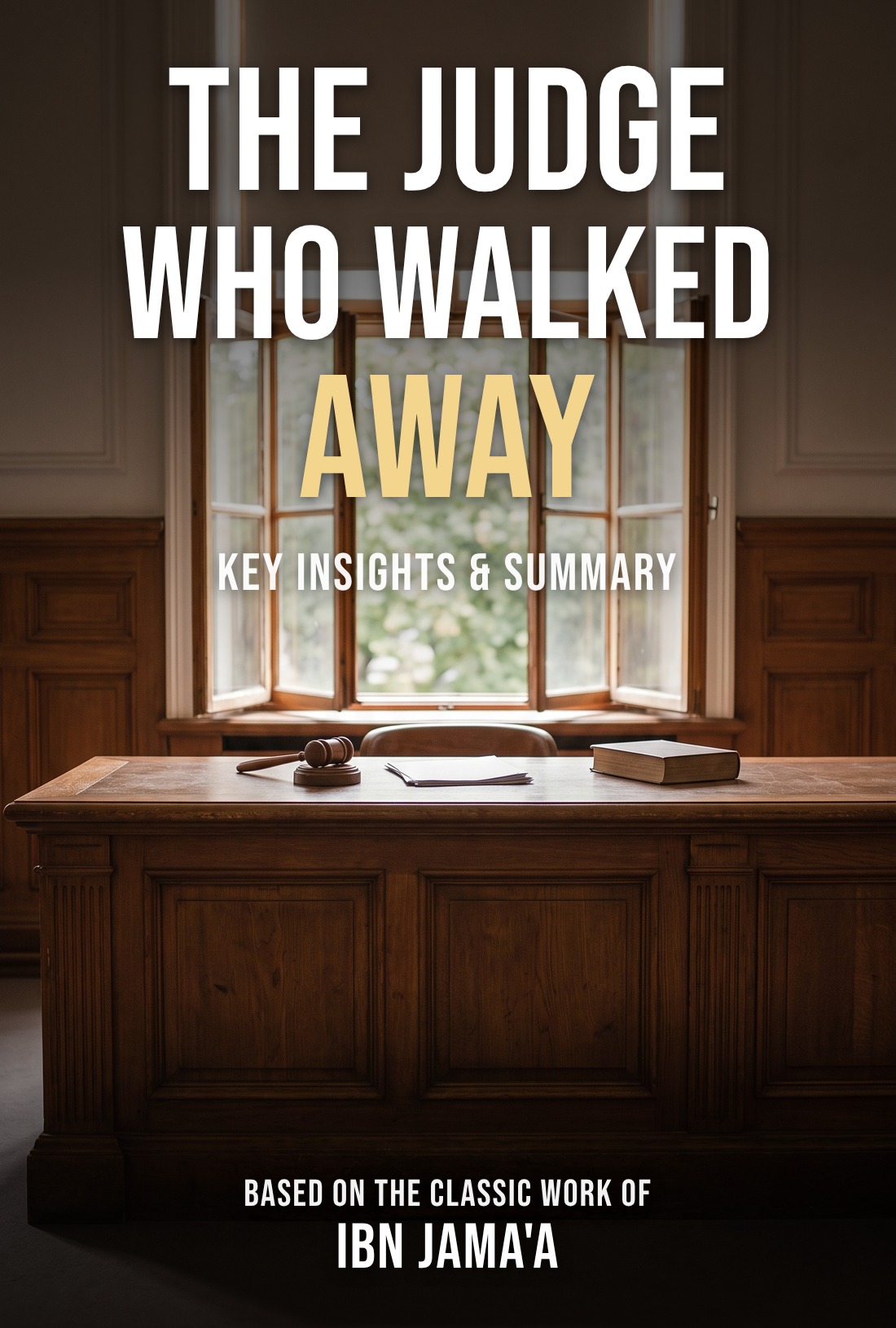
The chief judge of Egypt, one of the most powerful positions in the land, decided he had had enough. He resigned, and went home.
The authorities were shocked. They pressed him. They pleaded with him. And then, according to his biographers, the most powerful amir in the country, Yalbugha, came to his house in person and begged him to return.
He refused.
Instead, he set out for the pilgrimage. He visited the grave of the Prophet ﷺ in Madinah, then hurried back to Makkah, hoping to die near the sacred house. He fell ill there, and passed away a few days later. He was buried beside the great early saint al-Fudayl ibn ‘Iyad.
His name was Izz al-Din Ibn Jama’a. Son of another famous judge, Badr al-Din. A family of scholars who served Egypt and Syria for generations.
And among the books he left is a clear, well-ordered life of the Prophet ﷺ. Written by a man who, in the end, chose the Prophet’s city over the palace.