

Prayers of the Pious by Omar Suleiman – book summary cover
Book summary · Islamic Practice & Guidance

Prayers of the Pious summary

Omar Suleiman

  • 30 chapters
  • 1 h 29 min audio
  • Audio & text
  • 3 free chapters

A collection of 30 short, powerful prayers from the righteous predecessors that teach you how to ask Allah for what truly matters.

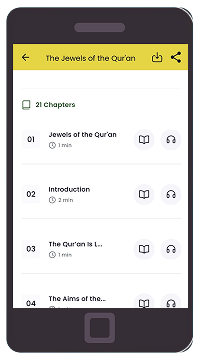
Download Islam Central on the App StoreGet Islam Central on Google Play

Start with the free chapters in the Islam Central app.

Key ideas in Prayers of the Pious

1. Quality Over Quantity

This isn’t a long list of dry invocations; it features short, impactful gems that show how the Salaf (pious predecessors) spoke to Allah with raw honesty and deep emotion.

2. Connecting Life to Prayer

Each chapter connects a specific life situation—like fear of hypocrisy or desire for martyrdom—to a specific supplication, teaching you to turn every emotion into a conversation with God.

3. Spiritual Mindset Shift

The book focuses less on the words of the dua and more on the state of heart of the person making it, helping you transform your own private prayers from routine rituals into intimate dialogues.

Chapter 1 of 30 · Free preview

The Best Of My Days

🎧 Listen to this chapter (3 min)

Allāhumma ijʿal khayra zamānī ākhirahu, wa-khayra ʿamalī khawātimahu, wa-khayra ayyāmī yawma alqāka

O Allah (SWT), let the best of my lifetime be its ending, and my best deed be that which I seal (my life with), and the best of my days the Day I meet You.

Abū Bakr (may Allah (SWT) be pleased with him), a beloved companion of the Prophet Muhammad (peace and blessings of Allah (SWT) be upon him), exemplified a profound devotion and longing to be with the Prophet even after his passing. His life’s culmination was marked by an exquisite ending, passing away on the same day of the week and at the same age as the Prophet Muhammad (peace and blessings of Allah (SWT) be upon him), the age of sixty-three. This was also the same age that ʿUmar and ʿAli (may Allah (SWT) be pleased with them) both died. Abū Bakr, aware of this, dressed like the Prophet as he felt his end approaching and prayed for his best moments to be his last, sealing his life with his finest deed. His heartfelt prayer expressed a desire to meet Allah (SWT) on the Day of Judgment.

In his final moments, Abū Bakr invoked the supplication of Prophet Yusuf (peace be upon him), asking him to die as a Muslim and to be joined by the righteous. This prayer encapsulates a profound way to beseech Allah (SWT), encompassing the entirety of one’s life, deeds, and the ultimate meeting with the Divine on the Day of Judgment. Abū Bakr’s life and prayers serve as an inspiration for believers to seek closeness to Allah (SWT) and aspire to a righteous ending.

Islam Central insight

The Art of the Finish

"We live in a culture that idolizes youth and treats aging as a decline. Abu Bakr flips the script: life should be a crescendo, where you peak at the finish line, not the start. He didn’t just wait for the end; he designed it.

Practical step

Create a ‘Signature Deed.’ Choose one simple act (like nightly forgiveness or Ayat al-Kursi) and never miss it. By automating this closing ritual, you increase the chance that your final moment on earth is an act of worship."

What is Prayers of the Pious about?

A collection of 30 short, powerful prayers from the righteous predecessors that teach you how to ask Allah for what truly matters.

Who should read Prayers of the Pious?

About the author: Omar Suleiman

One of the most influential Western Islamic scholars today, Imam Omar Suleiman is the Founder and President of the Yaqeen Institute for Islamic Research. Known for his work in social justice and community building, he has a unique ability to make classical Islamic wisdom accessible and relevant to the modern Muslim experience, bridging the gap between academic tradition and daily life

See all 7 summaries by Omar Suleiman

About this summary. This is an Islam Central summary and analysis, written as an educational guide to the key insights of the book. The narration often adopts the author’s perspective and voice. It is not the original book or audiobook, and we encourage you to read the full work. Find the original book.

Book summaries like Prayers of the Pious

More Islamic Practice & Guidance summariesAll book summaries

Prayers of the Pious FAQs

What are the main ideas of Prayers of the Pious?

The key ideas are: Quality Over Quantity; Connecting Life to Prayer; Spiritual Mindset Shift. This isn’t a long list of dry invocations; it features short, impactful gems that show how the Salaf (pious predecessors) spoke to Allah with raw honesty and deep emotion.

Who wrote Prayers of the Pious?

Prayers of the Pious was written by Omar Suleiman.

How long is the Prayers of the Pious summary?

The Islam Central summary has 30 chapters and about 1 h 29 min of audio, with the full text to read along in the app.

Can I read or listen to Prayers of the Pious for free?

Yes. 3 chapters are free in the Islam Central app on iPhone and Android, and chapter 1 can be read and heard on this page.

Is this the original book?

No. This is an Islam Central summary and analysis, written as an educational guide to the book’s key ideas. The narration often adopts the author’s voice to make it more immersive, but it does not replace the original work.

Listen to Prayers of the Pious in the Islam Central app

Key insights from essential Islamic books, in audio and text.

Download Islam Central on the App StoreGet Islam Central on Google Play